
Building Responsive Community
Change happens. It happens with scheduling, with testing, the needs of students, and even sometimes the needs of teachers and administrators. But the impact of abrupt shifts in a school year can send emotional shockwaves through your community and even have effects outside of that space. How do you respond in ways that honor the experiences of the students you serve as an educator?
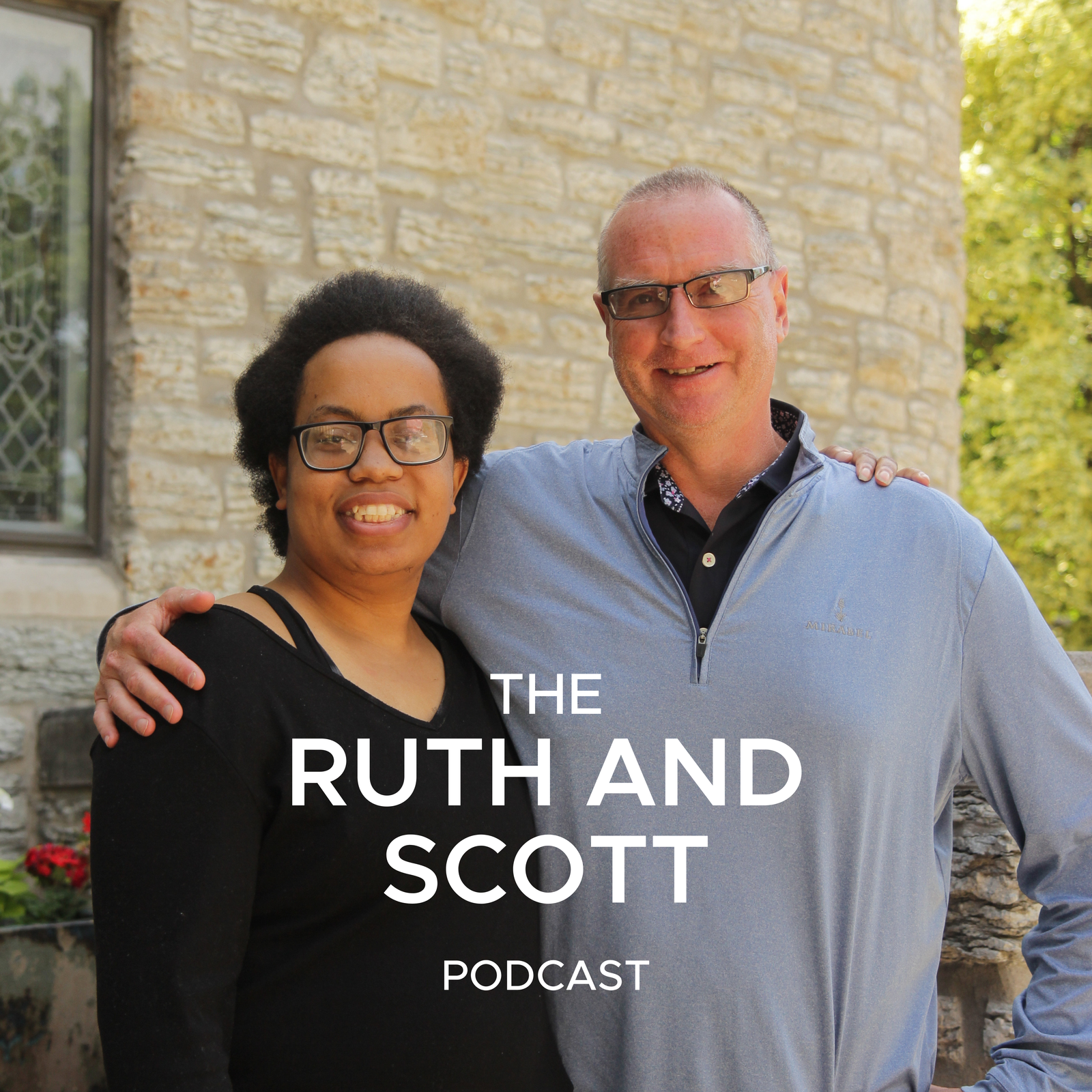
In this episode of The Ruth and Scott Podcast, Ruth Jefferson and Dr. Scott Gostchock reflect on this topic and also explore:
- Temporary Protected Status, its potential effects on school communities, and how educators can help
- The role of empathy in building understanding
- Urban planning and how insights from the history and practice can help educators and administrators build responsive community
- How Fall activities can help to build a sense of community and connection
Connect with additional resources from The Ruth and Scott Podcast, like this one from the podcast blog. Or, engage directly with Ruth and Scott by emailing admin@podcast.votmg.org.
FAQ
What is trust?
Positive relationships are rooted in trust. As you engage in shared experiences with others, you connect in different ways. These connection points allow you to establish a track record of doing the right things. This then allows those you interact with to believe the best about you, and for you to believe the best about them, rooted in shared history and connection.
When challenges happen in a society and conversations happen around difficult topics, what are some of the barriers to be prepared for?
In this episode of The Ruth and Scott Podcast, Ruth Jefferson brings to the conversation her 10+ years of experience in communication and digital marketing strategy to review how conflict affects communication. Barriers to conversation in conversations about difficult topics include both internal and external factors like:
- Internal: The struggle of how you might view yourself if you made a decision in your past that your present self now sees the effects of. You might wonder how, with what you believe to be true about yourself, you could make a decision connected with the kind of results you disagree with.
- Internal/External: If correcting for the decision that you’ve made means taking corrective action in public, or if you’ve been loudly proud of this past decision and have now changed your mind about the virtue of that action, you might be concerned that others will see you as a hypocrite or see you apart from the corrective work you’re now doing.
- External/Internal: Different communication norms.
- Internal: Confirmation bias.
How can the urban planning idea of the green space provide insights into how to make your educational community more responsive?
One key principle of urban planning is looking at the functionality of the space. In this case, the space that you’re working with is an educational setting. In this educational setting, healthy density is important. This means that your space should be able to handle the functions that happen in that space while also leaving room for supporting things like green spaces and walkability. Examples of what this could look like:
- Providing resiliency support for students
- Ensuring that mental health and academic counselors are culturally competent
- Being mindful of challenges like survivors’ guilt when challenges happen in your community
- Providing spaces, whether in the classroom or the school in general, where students can step back and reflect
Thinking about how your story might connect with your students. Learn more about the power of informal mentorship with this read.
New Episodes of The Ruth and Scott Podcast drop on the first day of every month. Be the first to know when they land. Click the button below to open a new tab and make sure you don't miss a beat.