
The Journey to Reconciliation and Reengagement
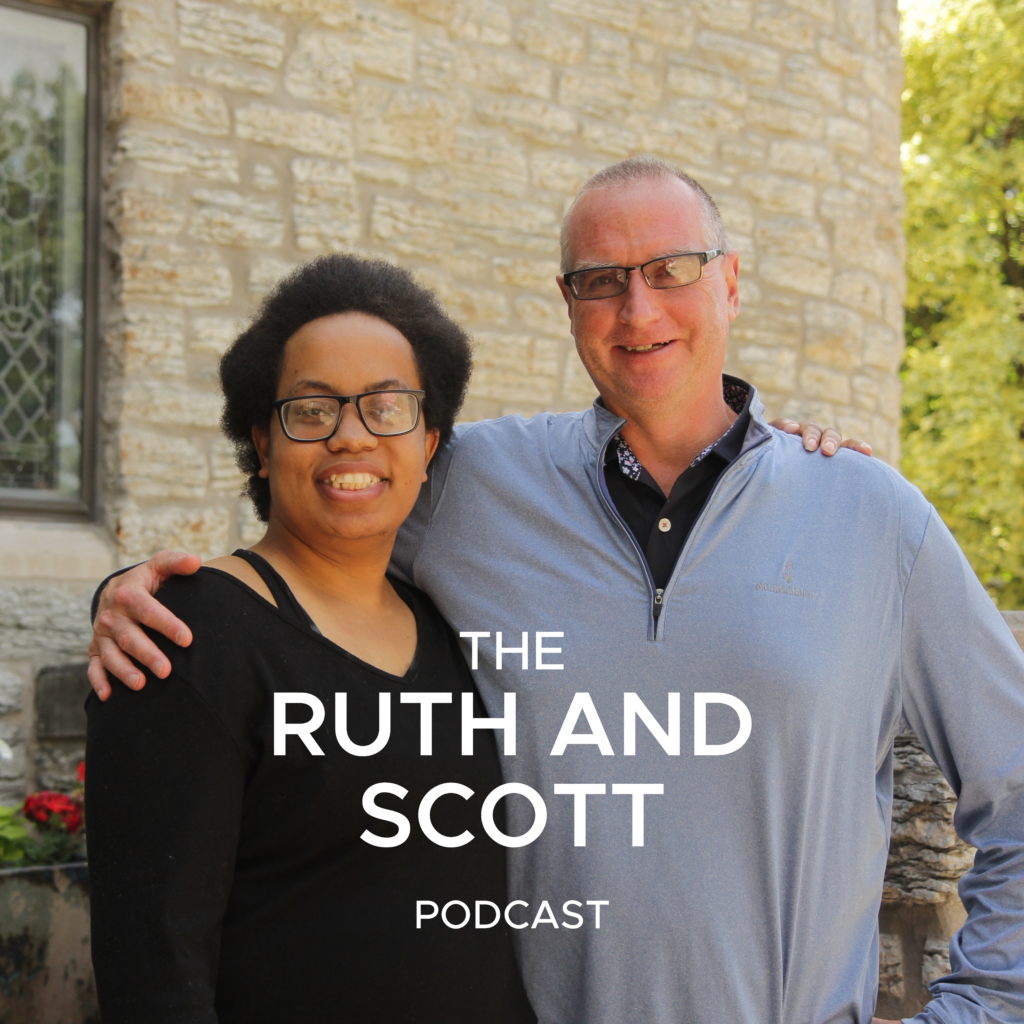
Reconciliation starts with the needs for both safety and for relationships to be made whole. In this episode of The Ruth and Scott Podcast, Ruth Jefferson and Dr. Scott Gostchock talk about reconciliation, what’s needed to achieve this in relationships, and how burnout can affect this. Can relationships be made whole? Join Ruth and Scott for the conversation.
What causes burnout? How can it be overcome?
When alignment is missing, this greatly contributes to burnout. This lack of alignment can be defined as operating outside of your passions or in areas you don’t believe in. The reality with any job is that there will be times when you need to function outside of these areas of alignment. The challenge of burnout in these scenarios can be overcome by changing up the story about your operation in these spaces. This mindset shift starts with your being able to view your professional life through the lens of your missional purpose. Understanding these areas of alignment and approaching your role from this perspective of passion decreases burnout. Want to learn more about the stages of burnout and more specific mindset shifts that can help you on your journey to escaping the cycle of burnout? Click this link to open the article 12 Mindset Shifts to Help You Overcome the Symptoms of Burnout in a new tab.
What is reconciliation? Why does it matter?
Reconciliation is just as much about you as it is the other person. Engaging in the reconciliatory process starts with your being honest with yourself about yourself and answering these two questions: What do you need to feel safe in the space of the relationship? What do you feel like you need in order for the relationship to be made whole? Reconciliation requires vulnerability-based trust. Vulnerability-based trust is defined as the feeling that both you and the other party in the relationship can be honest with each other without fear that honesty will lead to being attacked. Reconciliation is a fully engaging process that requires full presence and commitment.
How can you help someone who is struggling with their sense of value?
As an educator and mentor, you play a unique role in helping those you work with to understand and build their sense of value and agency. One strategy for doing this is embracing the TAB Philosophy. TAB stands for Talent, Ability, Blessing. This approach helps each person understand that they have a unique talent, something that they can do as well or even better than anyone else, and that they have the ability to turn that talent into a blessing for others.
Like what you’re hearing? The Ruth and Scott Podcast Blog provides reads that dive more into the topics covered in the podcast and more. Be the first to know when new articles drop and get access to subscriber-exclusive content like the new Read This in 5 audio series when you join our mailing list. Click the button below and complete the form to subscribe today.